New course in psychosocial care has been granted CPD accreditation
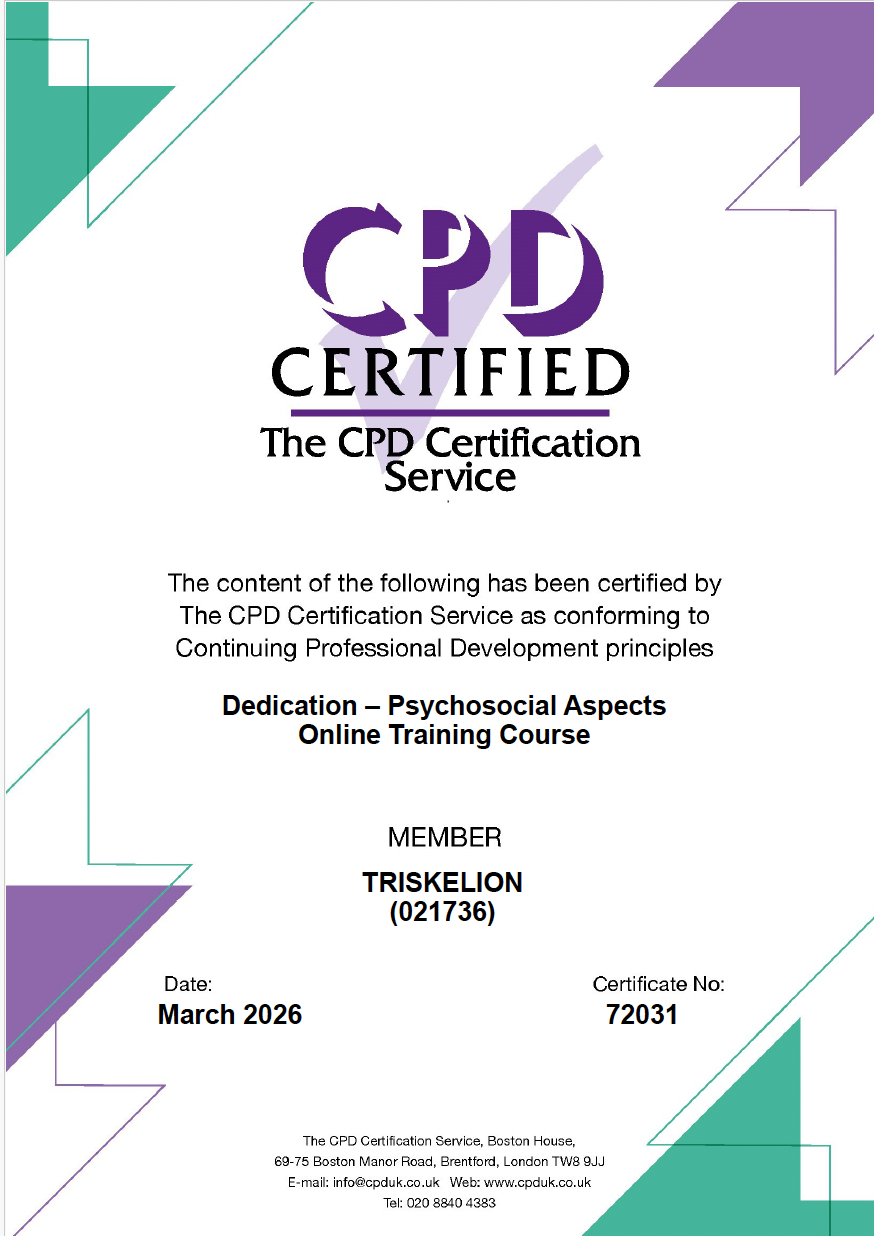
We are pleased to announce that our online course in psychosocial care for healthcare professionals has now been officially accredited by the CPD Certification Service. Upon completion of the course, participants will receive a recognized certificate awarding 6 CPD hours, which supports their ongoing professional development.
The course offers essential knowledge and practical skills in body image, equity, diversity, and inclusion (EDI), as well as person-centered care throughout the lifespan. The second part of the training provides practical strategies for supporting individuals aged 10 and older with visible differences, particularly those affected by social anxiety
The program is based on the principles of cognitive behavioral therapy and acceptance and commitment therapy and offers evidence-based strategies to help healthcare professionals create emotionally safe environments where young people can build their resilience, self-confidence, and meaningful social relationships.
This accreditation underscores the quality and relevance of the training and ensures that it meets recognized standards for continuing education.
Productive project meeting at Amsterdam UMC confirms strong progress in DEDICATION
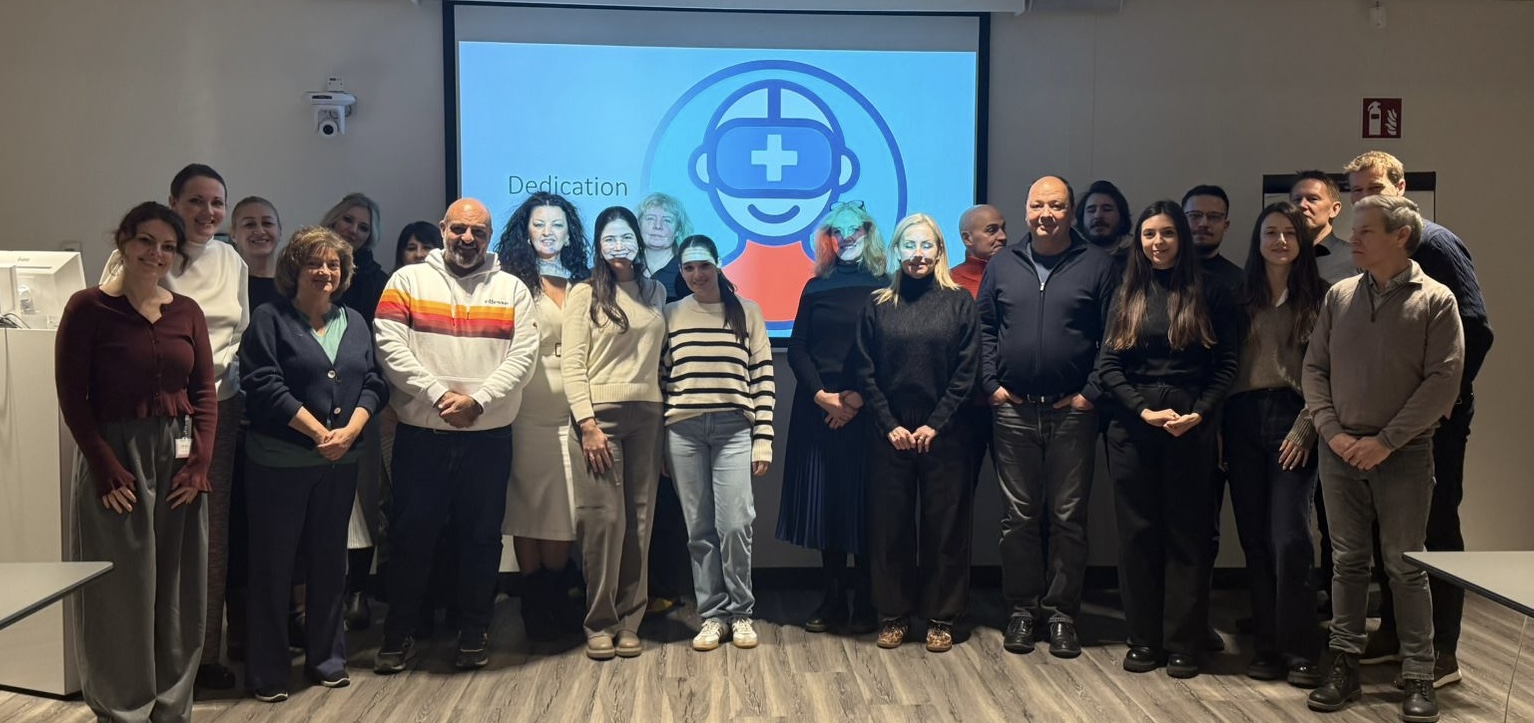
A highly productive project meeting within the DEDICATION project was recently held at Amsterdam UMC.
On the first day, the consortium conducted the psychosocial training and VR training, followed by a structured evaluation dialogue. The focus was on reviewing the training content and identifying a small number of elements that require final approval and minor adjustments. The feedback provided will help to further strengthen an initiative that aims to benefit young people with congenital anomalies by supporting their psychosocial well-being using innovative and evidence-based VR methods.
The second day was devoted to the next phase of the project, with the partners jointly agreeing on a clear timetable for upcoming activities. Key project management aspects were also discussed, as well as dissemination strategies and feedback, to ensure continued alignment with the project's objectives and target groups.
The meeting concluded with all partners agreeing that the project is currently fully in line with its objectives and is progressing very well, reflecting strong cooperation and effective coordination within the consortium.
Triskelion, Smile Train, and Kristianstad University meet in Sweden to drive the development of innovative VR-based education
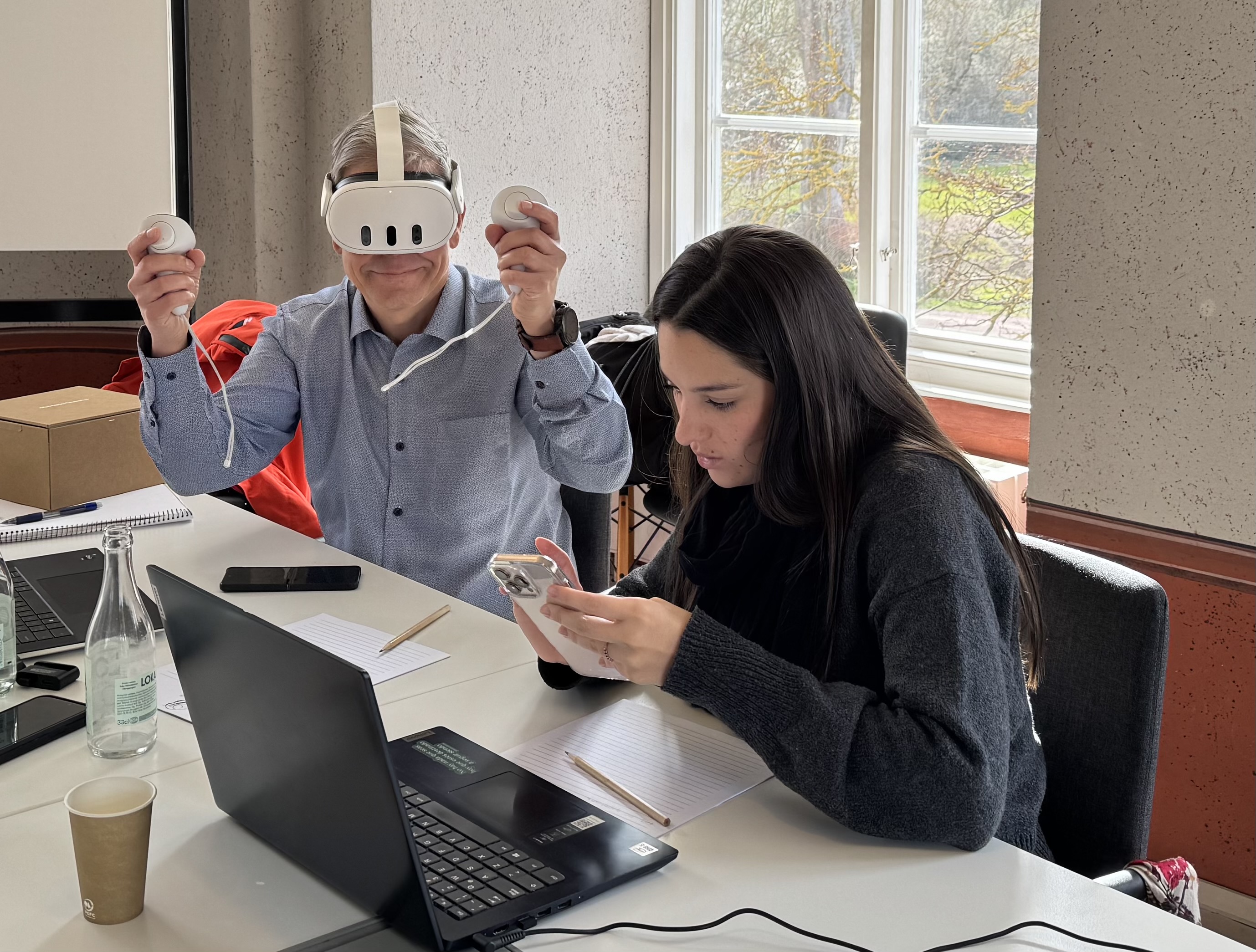
Sweden – Representatives from Triskelion, Smile Train, and Kristianstad University gathered in Sweden for a productive and inspiring development meeting aimed at advancing the work of creating a groundbreaking European training program. The initiative combines psychosocial expertise, values of equality, diversity, and inclusion (EDI), and the latest virtual reality technology with the goal of transforming how healthcare professionals are trained to support patients and families.
The meeting focused on the further development of training materials for psychosocial interventions and how EDI principles can be integrated into every part of the learning process. Participants also discussed the technical skills required to lead VR-based training sessions and agreed on the next steps for finalizing evaluation tools and implementing the digital training platform.
During the discussions, the partners identified three key objectives to guide the design and implementation of the training program. First, to strengthen the skills required to effectively deliver psychosocial interventions in healthcare. Second, to integrate EDI principles into all aspects of the training, from content to implementation, so that equity, inclusion, and representation permeate the entire program. And third, to develop the digital and technical skills required to safely and effectively deliver VR-based training in clinical and educational settings.
The consortium emphasized that healthcare professionals need a balanced combination of clinical, interpersonal, and reflective skills. The training modules will therefore focus on developing active listening, empathy, and clear communication—all of which are crucial for understanding patients' experiences and providing emotional support.
Participants also highlighted the importance of cultural competence, self-reflection, and flexibility in order to adapt interventions to the different needs of individuals and families.
Another central element of the project's vision is to promote equality, diversity, and inclusion (EDI).
The group reaffirmed its commitment to helping healthcare professionals identify and address their own biases, strengthen their cultural awareness, and actively work to support marginalized groups. By promoting an inclusive approach, the program aims to ensure that future healthcare professionals can provide care that is both clinically effective and socially and culturally responsive.
In addition to the psychosocial and inclusive aspects, the meeting emphasized the importance of technical expertise in using VR as a powerful educational and therapeutic tool. Participants discussed how VR environments can be used to simulate real-life healthcare situations and provide participants with practical experience in a safe and controlled environment.
The group agreed on the need for clear communication procedures, safety protocols, and adaptable teaching methods to ensure that VR sessions are both engaging and effective.
The development team also reviewed work on new evaluation and feedback tools, including KAP (Knowledge, Attitudes, and Practices) tests and structured surveys to capture the perspectives of healthcare students and professionals on the relevance and feasibility of VR-based psychosocial training. These tools will be crucial for further developing the training content and measuring its real impact on professional competence and patient care.
Overall, the meeting strengthened the spirit of collaboration between the partners and clarified the way forward. By combining psychosocial knowledge, inclusive working methods, and digital innovation, the project is well positioned to make a lasting impact on healthcare education in Europe and help ensure that future healthcare professionals are better equipped to provide compassionate, culturally aware, and technologically advanced care.

Successful kick-off conference in Bucharest marks the start of an exciting European collaboration
Bucharest, Romania – Twenty-one representatives from partner organizations across Europe and Smile Train gathered at Spitalul Clinic de Urgență pentru Copii “M.S. Curie” in Bucharest for the official kick-off meeting. The meeting marked the beginning of a dynamic new collaboration that combines cutting-edge virtual reality (VR) with education in equity, diversity, and inclusion (EDI) for healthcare professionals.
A strong start
The two-day meeting began with welcome remarks from the host institution and the project coordinator, who presented the goals and strategic direction for the coming months. Each partner organization presented its activities and areas of expertise, clearly demonstrating the breadth and strength of the consortium. All partner presentations will be compiled and shared by the coordination team.
Innovation in healthcare education
One of the highlights of the meeting was Smile Train's presentation of its pioneering use of virtual reality to improve the training of healthcare professionals. This technology will play a central role in the project's training efforts.
Skills development through new training pathways
Within Work Package 2, the partners are collaborating to develop a one-day training course and a 27-hour micro-credential program aimed at strengthening the psychosocial and professional skills of healthcare professionals. The training will focus on:
• Effective implementation of psychological interventions
• Promoting equality, diversity, and inclusion in healthcare
• Integrating VR-based learning into practice
Norway is leading the development of the digital training platform, which will ensure accessibility and long-term sustainability. The materials will be designed for flexibility and high impact in different countries and healthcare contexts.
Accessibility through translation
Accessibility and inclusion are core values of the project. All implementation partners will translate VR scripts and training materials into their respective languages. The partners are also responsible for recorded lectures and complete scripts for PowerPoint presentations to ensure clarity and consistency in the multilingual training modules. This approach enables healthcare professionals across Europe to access the training in their own language.
Preparations for the pilot phase
The pilot phase will start in March 2026. Each implementing partner will train 8–10 participants, including healthcare professionals, students, and representatives from non-profit organizations—at least half of whom will be active in healthcare.
To ensure a common basis, a train-the-trainer meeting will be held in Amsterdam in January 2026.
Each partner will also involve 3–5 families with children or young people with congenital anomalies to evaluate the practical usefulness of the intervention and strengthen its clinical and psychosocial relevance.
Dissemination and global reach
Work package 4 focuses on communication and dissemination to ensure the visibility and global impact of the project. Key activities include:
• Development of a comprehensive dissemination plan from month 2
• Creation of a graphic profile for consistent communication
• Implementation of various outreach strategies to reach at least 10,000 people worldwide
• Organization of multiplier events from month 30 to present results and stimulate continued collaboration
All partners share responsibility for dissemination, ensuring that the project's results reach academia, the professions, industry, and civil society—the so-called quadruple helix.
Effective project management and quality assurance
Norway and Sweden are leading the quality assurance work and developing a comprehensive strategy and reporting structure to maintain the highest standards. The consortium also reviewed and adopted the updated Gantt chart with revised timelines and milestones.
Moving forward
The kick-off meeting in Bucharest set the tone for a strong and inspiring collaboration. With clear goals, innovative tools, and a shared commitment to inclusion, participants left the meeting feeling energized and enthusiastic about the next phase.
As one participant put it: "This project brings together technology, empathy, and expertise — a combination that will truly change how we train and support healthcare professionals in Europe."